Forensic Genetics
DNA profiling, population genetics, and ancestry inference applied to forensic casework.
PhD Candidate, Penn State University
Forensic genetics, 3D facial analysis, and acoustic phenotyping at Penn State University. Applying rigorous science to real-world identification and justice.
01 — About
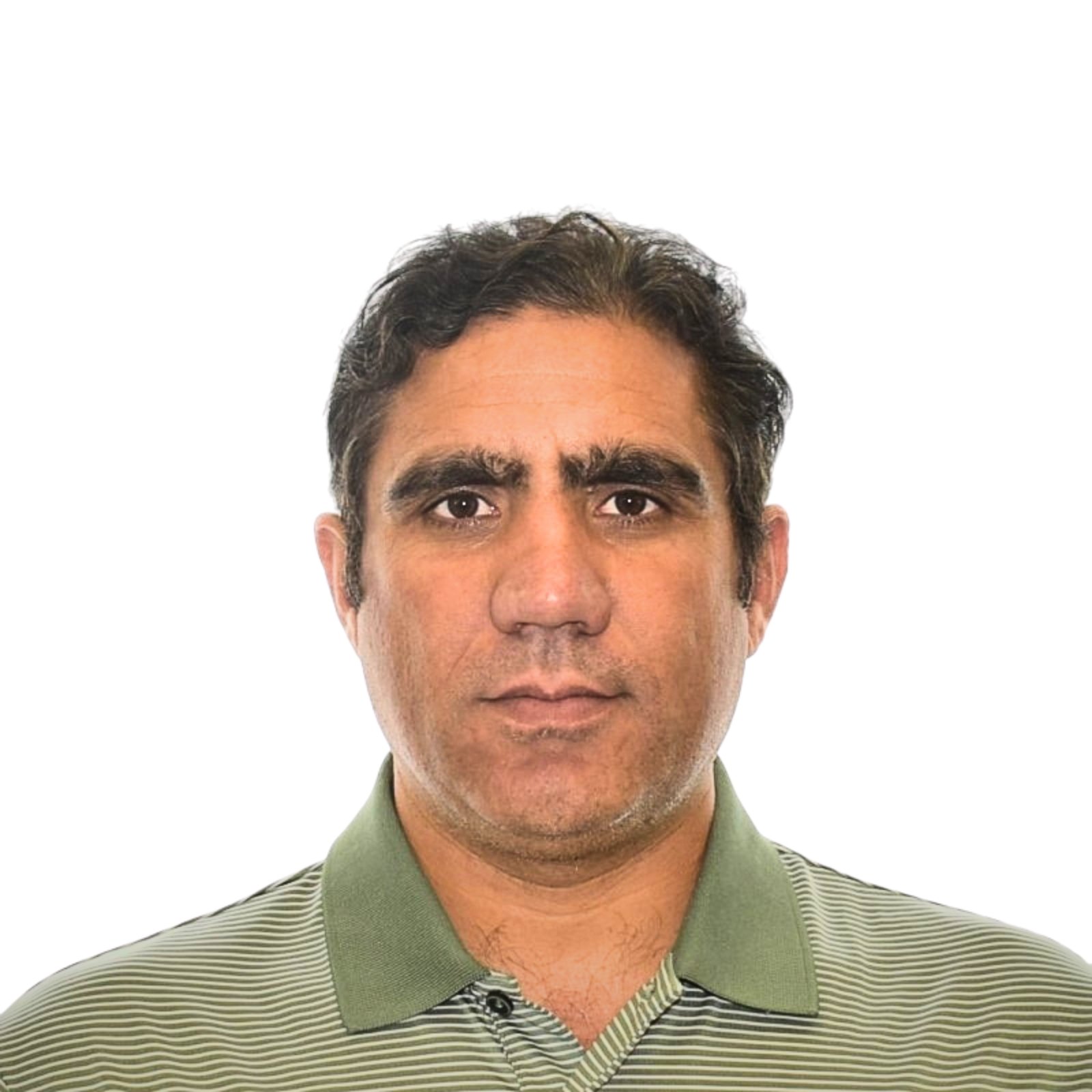
My research sits at the intersection of forensic anthropology, genetics, and bioinformatics, with a focus on computational phenotyping: quantitative methods for studying 3D facial variation, DNA phenotyping, genetic linkage, and vocal phenotyping. This work addresses core questions in human identification and biological variation.
Before returning to academia, I served as Director of Forensic Laboratories in Afghanistan, overseeing national forensic labs and casework in DNA, toxicology, serology, and criminalistics. I now serve as a Graduate Teaching Assistant at Penn State for ANTH 1 (Understanding Humans), ANTH 21 (Biological Anthropology), and BIO/ANTH 560 (Human Genetics).
My goal is to close the gap between genomic research and the tools forensic science actually needs: methods that are scientifically rigorous, practically deployable, and useful for both justice and the study of human variation.
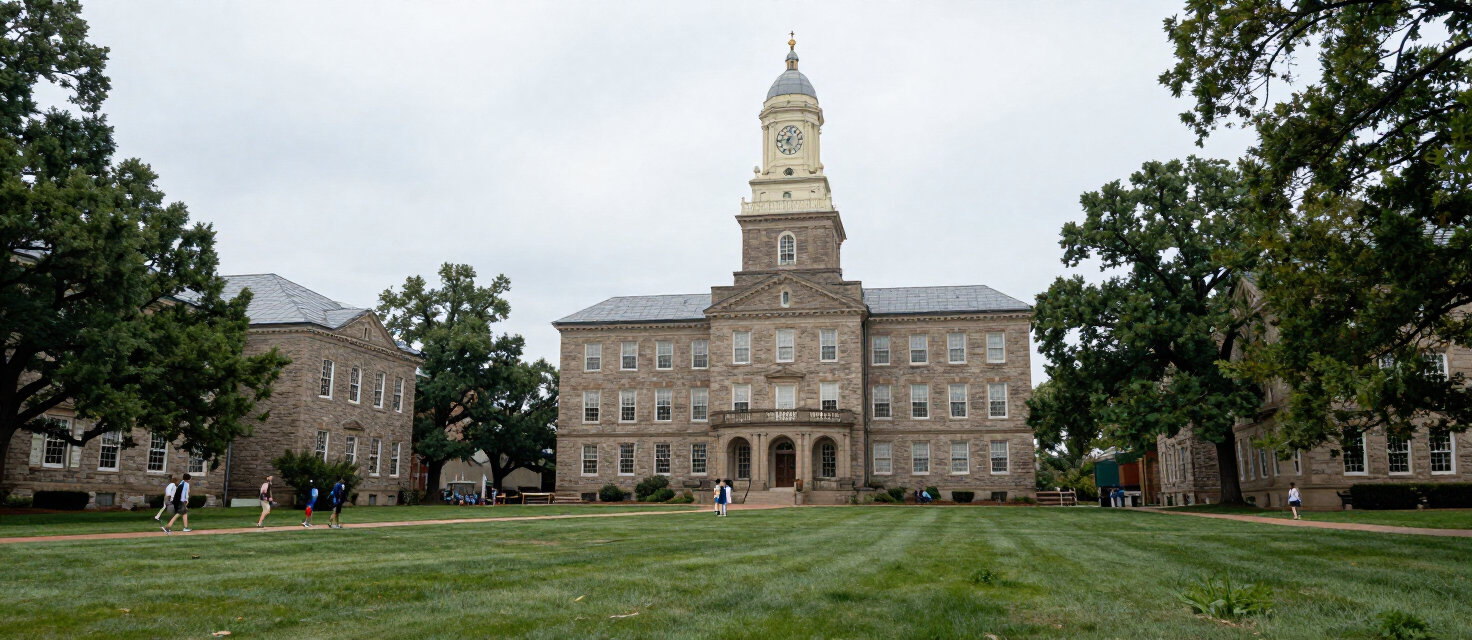
Formerly directed Afghanistan’s national forensic laboratories, overseeing casework in DNA, toxicology, serology, and criminalistics.
Researcher in Penn State’s Shriver Lab, studying the genetics of facial and vocal variation.
Field producer on The Night Doctrine, a documentary that won three Emmy Awards.
Doctoral studies in Anthropology, with minors in Bioinformatics and Genomics.
02 — Specializations
DNA profiling, population genetics, and ancestry inference applied to forensic casework.
3D morphometric analysis and facial reconstruction for studying human facial variation.
Voice as a phenotype: statistical models linking vocal characteristics to genetic variation.
Directed national forensic laboratory operations in Afghanistan, including DNA, toxicology, serology, and criminalistics casework.
Human population genetics and genomic diversity studied through an evolutionary anthropology lens.
Peer-reviewed publications and documentary work translating genomic research for general audiences.
03 — Writing
Essays, field notes, and research updates, published regularly as the work develops.
All posts →October 5, 20264 min
Our faces and voices carry information about who we are, but could they also share a biological connection? This article explores how genetics, development, and anatomy may connect them.

September 21, 20261 min
Learning to code changed how I think as an anthropologist, not because computers answer questions, but because they punish vague ones.
September 8, 20261 min
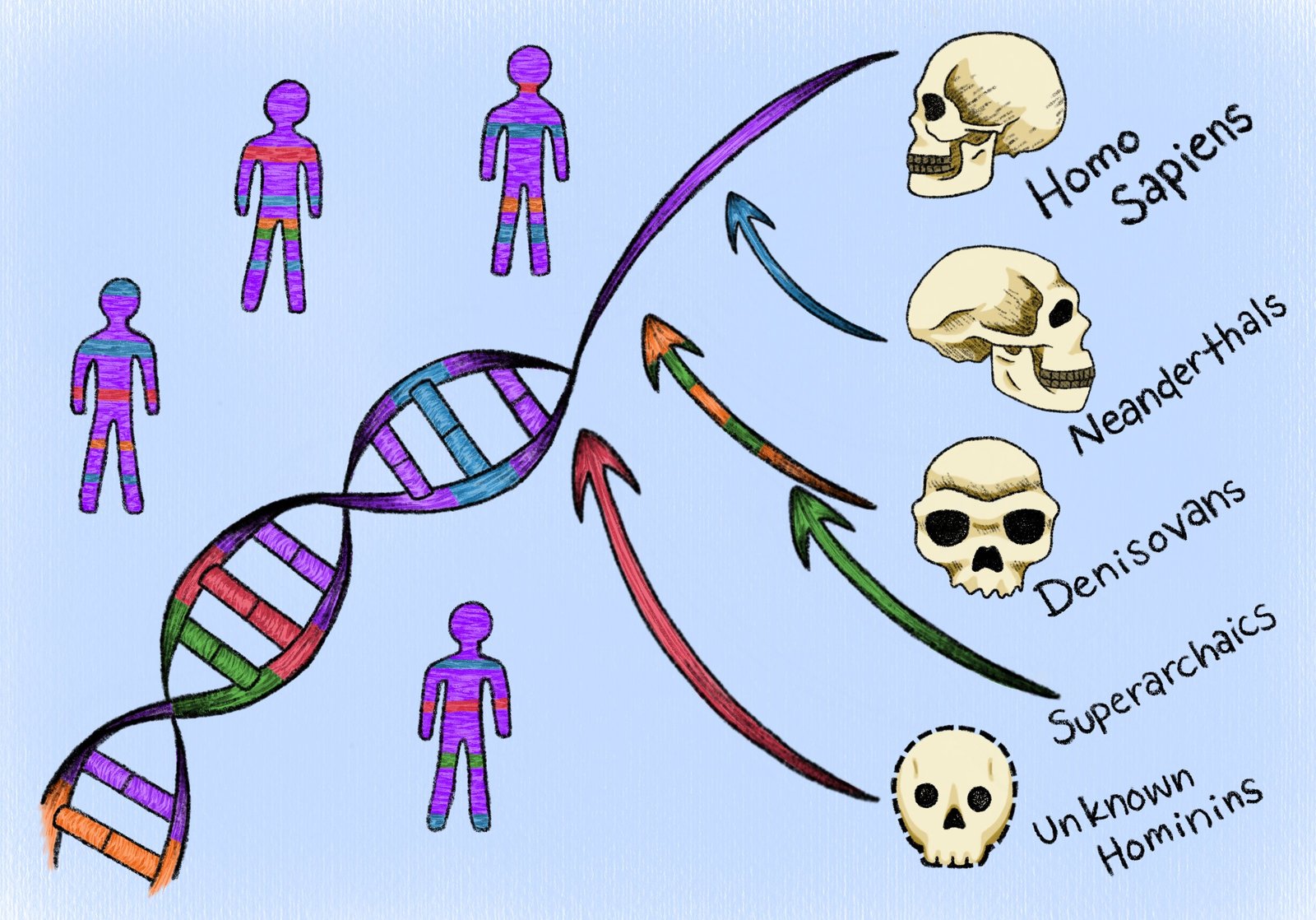
Anthropology asks how humans came to be who we are. Genomics offers a new archive to answer that question: one written in DNA.
04 — Fields
One question, three instruments. Each field below is a different way of reading the same archive: the human past.
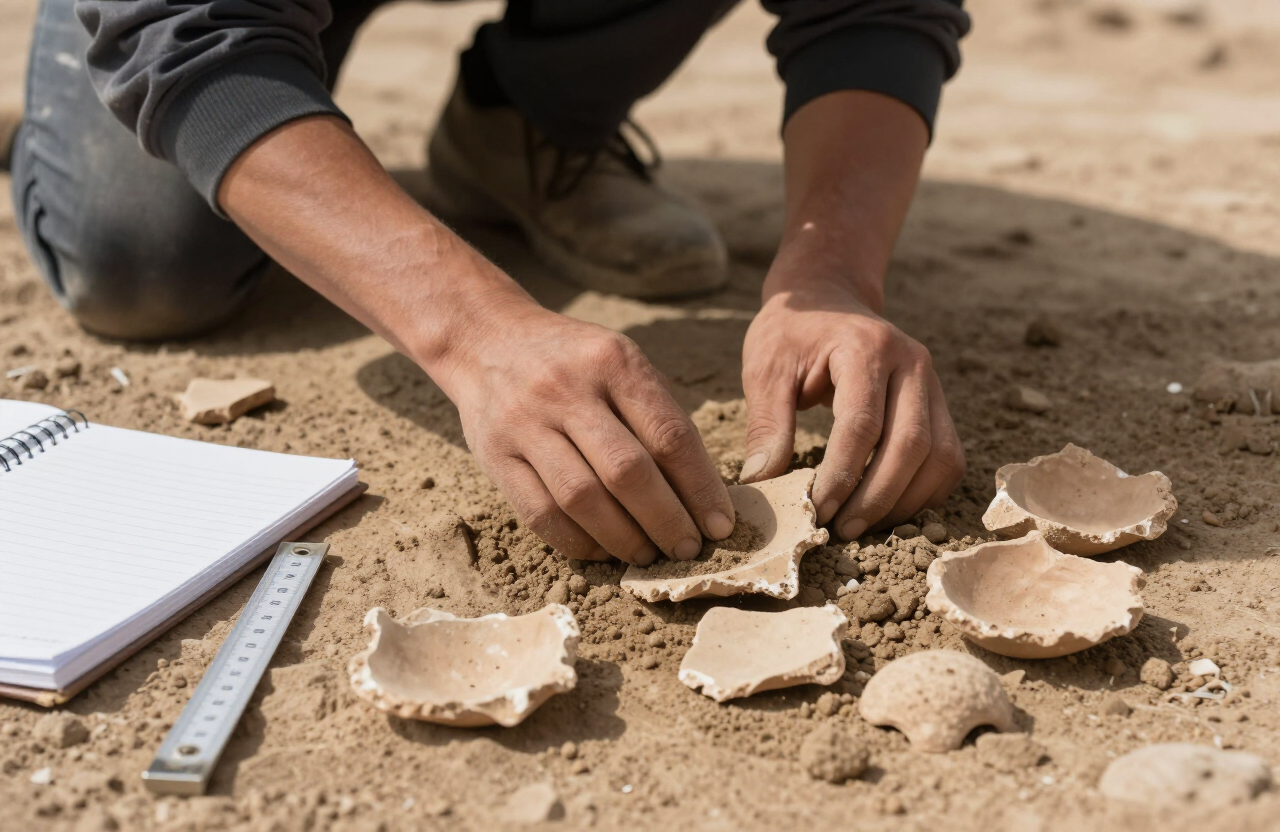
Biological anthropology & forensic DNA
Biological anthropology frames how the human body is shaped by inheritance and environment. My background in forensic DNA analysis and applied casework shapes how I approach population data, evidence, and ethical engagement with communities.
SNP genotypes & quantitative genetics
My dissertation uses SNP genotype data with pedigree-based designs and quantitative genetic methods to study obstructive sleep apnea, connecting genetic variation to facial, vocal, and neuroanatomical traits.
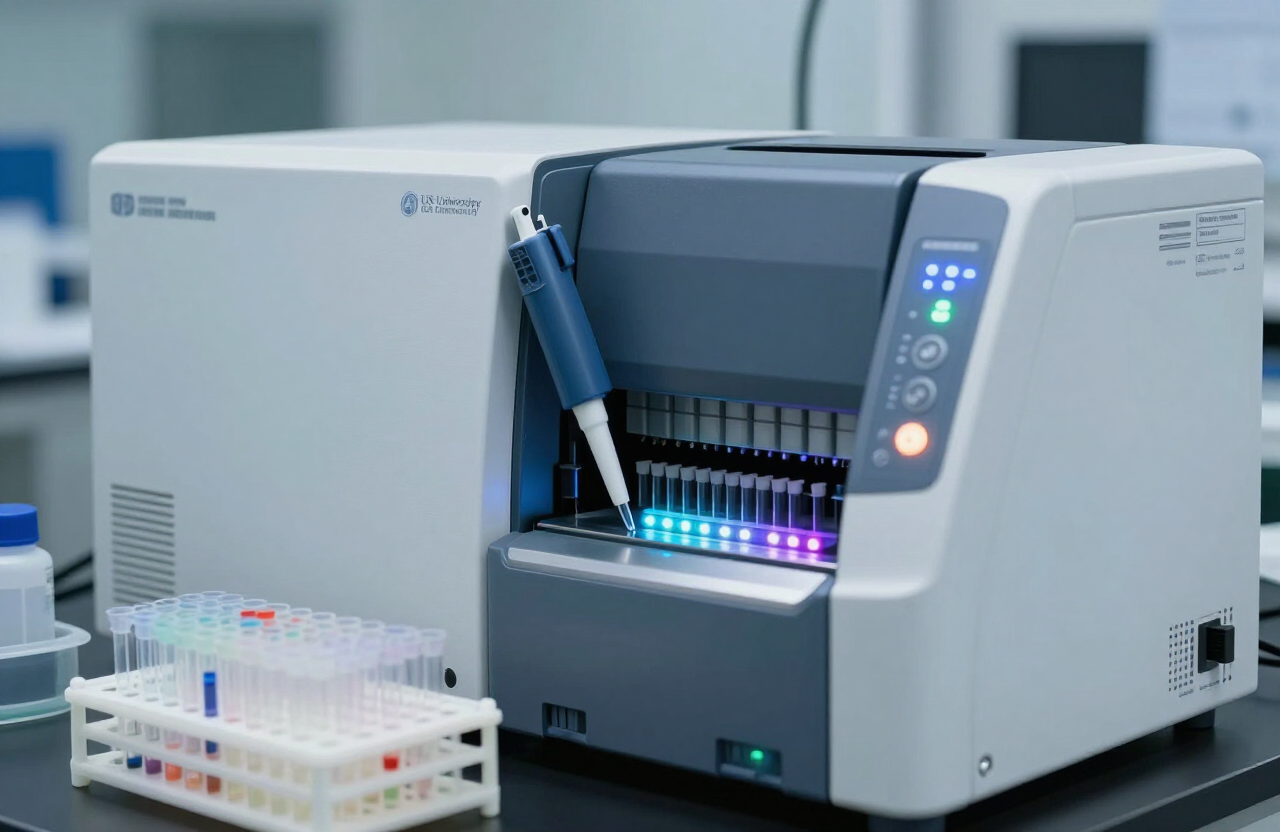
Imaging, voice & computational methods
Building and running the pipelines that turn raw sequence data, 3D facial surface imaging, and voice recordings into biological inference: quality control, variant calling, and the statistical models that connect genomes and phenotypes to anthropological questions.
05 — Contact
For collaborations, questions about the research, or invitations to speak: send a message and it lands directly in my inbox.